{loadmoduleid 239}
How Awareness Campaigns Help Prevent Disaster Losses Disasters such as floods, cyclones, fires, earthquakes, landslides, and heatwaves can cause serious damage within a very sho... How Awareness Campaigns Help Prevent Disaster Losses Disasters such as floods, cyclones, fires, earthquakes, landslides, and heatwaves can cause serious damage within a very short time. How Awareness Campaigns Help Prevent Disaster Losses
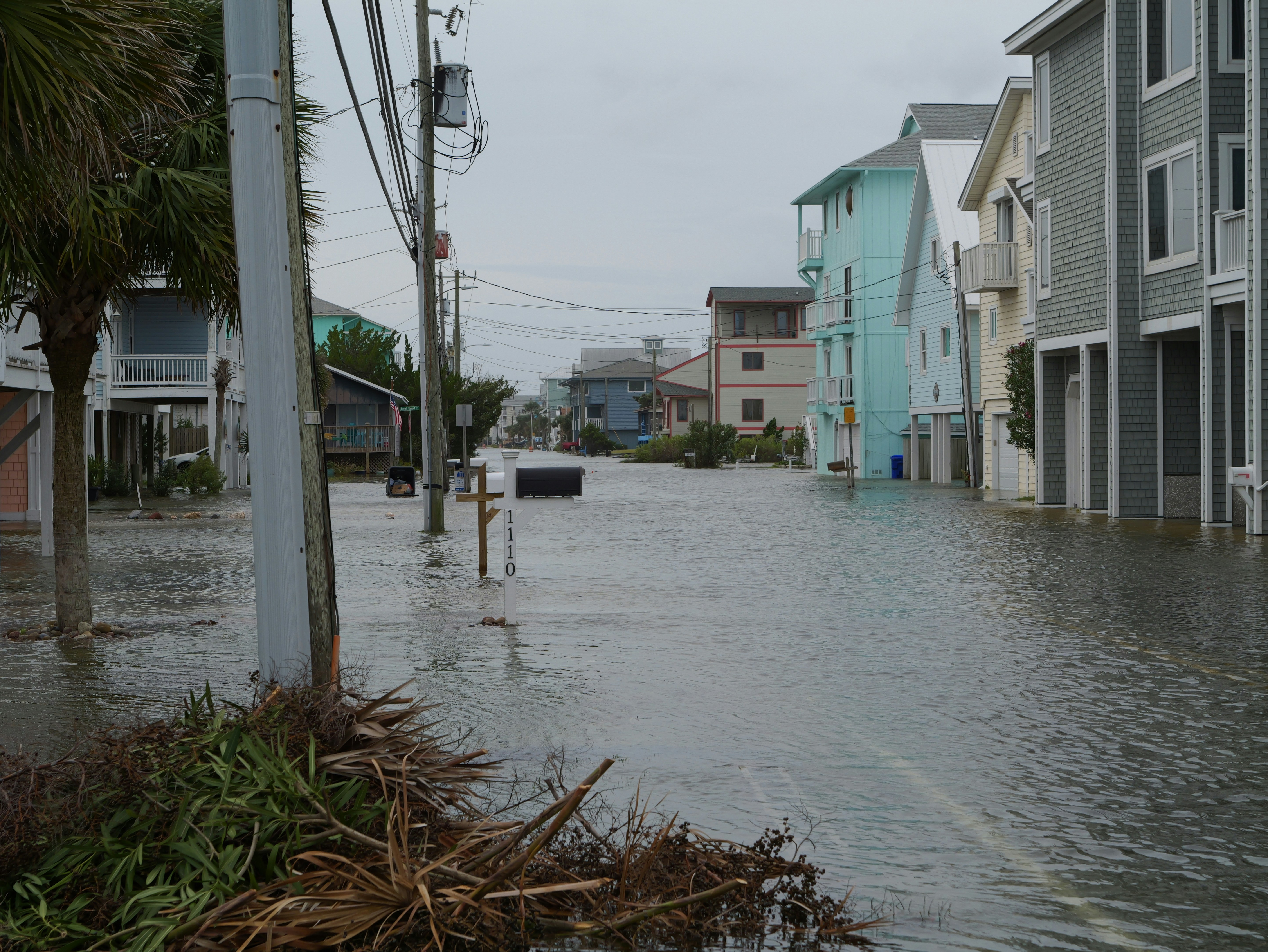
Disasters such as floods, cyclones, fires, earthquakes, landslides, and heatwaves can cause serious damage within a very short time. What Are Disaster Awareness Campaigns? Disaster awareness campaigns are organized efforts that educate people about hazards, emergency preparedness, and safety. They may include community meetings, school programs, workshops, emergency drills, posters, demonstrations, digital messages, and local awareness drives. The purpose is to explain disaster risks in simple language. People should understand what may happen, what they should do, and which actions can help reduce danger. Awareness campaigns are most effective when they focus on practical actions rather than only general information. Why Disaster Awareness Matters During an emergency, people may have only a few minutes to make important decisions. They may need to evacuate, move to higher ground, switch off electricity, contact emergency services, or help children and elderly family members. Without prior knowledge, these decisions can become confusing. Awareness campaigns help communities prepare before that pressure begins. People who already understand emergency procedures are more likely to respond quickly and safely. Why Awareness Campaigns Matter in Disaster Loss Prevention Awareness campaigns are an important part of disaster risk reduction because they encourage people to prepare before damage occurs. Here are some of the most important ways they help. 1. Awareness Campaigns Help People Understand Local Risks Different locations face different disaster risks. Some areas may experience regular flooding, while others may be vulnerable to cyclones, fires, landslides, droughts, or earthquakes. Awareness campaigns help residents understand which hazards are most relevant to their community. This makes preparedness more practical. People can focus on the risks they are most likely to face instead of relying on general disaster information. 2. They Encourage Early Preparedness Preparedness is easier when it begins before an emergency. Awareness campaigns can encourage families to store important documents safely, keep essential medicines available, prepare emergency supplies, and identify safe evacuation routes. Families can also discuss where they will meet if they become separated. These actions may appear simple, but they can reduce confusion during a crisis. Early preparation gives people more time to act safely. 3. They Improve Response to Early Warnings Early warning systems are useful only when people understand what the warning means. A cyclone alert, flood warning, emergency siren, or official message must lead to the correct action. Awareness campaigns can explain different warning signals. They can also teach people when to evacuate, where to go, and which information sources to trust. A faster response can help reduce injuries and protect property. 4. Awareness Campaigns Improve Evacuation Readiness Evacuation can become difficult when people do not know where to go. Awareness campaigns can provide information about evacuation routes, emergency shelters, safe assembly points, and transportation arrangements. Communities can also practise evacuation procedures through drills. When these procedures are familiar, people are less likely to panic. They are also more likely to reach safer locations quickly. 5. They Reduce Panic During Emergencies Fear is natural during a disaster. However, panic can lead to unsafe decisions. People may rush into dangerous areas, ignore warnings, or follow incorrect information. Awareness campaigns help people understand what actions to take in different emergency situations. Familiarity with emergency procedures can make people more confident. This can improve decision-making when time is limited. 6. They Help Prevent Misinformation Rumours can spread quickly during disasters. False information about weather conditions, evacuation orders, damaged roads, shelters, or rescue operations can create confusion. Awareness campaigns can teach people to rely on verified information. This may include messages from local authorities, emergency services, disaster management agencies, or other trusted sources. Knowing where to find accurate information is an important part of preparedness. 7. They Encourage Community Support Disaster preparedness is stronger when communities work together. Local leaders, volunteers, schools, youth groups, families, and community organizations can all contribute. Awareness campaigns encourage people to think beyond individual safety. They also help communities identify people who may need additional support. This creates a stronger sense of shared responsibility. Recent public supporters of this campaign.
BUILD A KIT MAKE A PLAN SAVE A LIFE
Build a Kit Make a Plan Save a Life
Build a Kit Make a Plan Save a Life
Campaign Information
Supporter Wall
 Build a Kit Make a Plan Save a Life